
Typical Cuban Fruits: 12 Flavors You Have to Try
From anón and mamey to guava and papaya (fruta bomba): discover which typical Cuban fruits to try, how to order them, and where to find them on your trip.

Trying seasonal fruit is one of the simplest —and tastiest— ways to get a feel for everyday life in Cuba. You will find it in farmers’ markets (agromercados), neighborhood stalls, the breakfast table of casas particulares, and cafés that make fresh juices and shakes. Variety and prices change with the season, the province and what happens to be available, so the best advice is to ask what is good that day.
In this local guide we gather the flavors worth seeking out, how they are eaten, and the names that will help you order them the way it is done on the island.
First things first: in Cuba it is called fruta bomba
Across much of Cuba, papaya is called fruta bomba. The word papaya can carry a vulgar double meaning in everyday speech, so using the local name will save you confusion — and probably earn you a knowing smile.
12 Cuban fruits and flavors you have to try
1. Anón (sugar apple)
Green on the outside, with a skin made up of small segments, the anón hides a white, sweet, creamy pulp. It opens when ripe and is eaten with a spoon or with your hands, setting aside its black seeds. It is one of those fruits many Cuban families remember from the backyard or the countryside.
Although it belongs to the same botanical family as the guanábana (soursop) and the cherimoya, they are not the same fruit.
2. Mamey colorado
Beneath its rough rind lies a deep salmon-colored pulp, dense and sweet. Its most famous preparation is the mamey shake (batido), a great classic of Cuban cafés. If you find it as fresh fruit, it is well worth ordering.
3. Fruta bomba (papaya)
It is papaya, but in Cuba you will almost always hear it called fruta bomba. When ripe it has a soft, orange pulp. It is usually served at breakfast, on its own or with other fruit, and also used in juices and shakes.
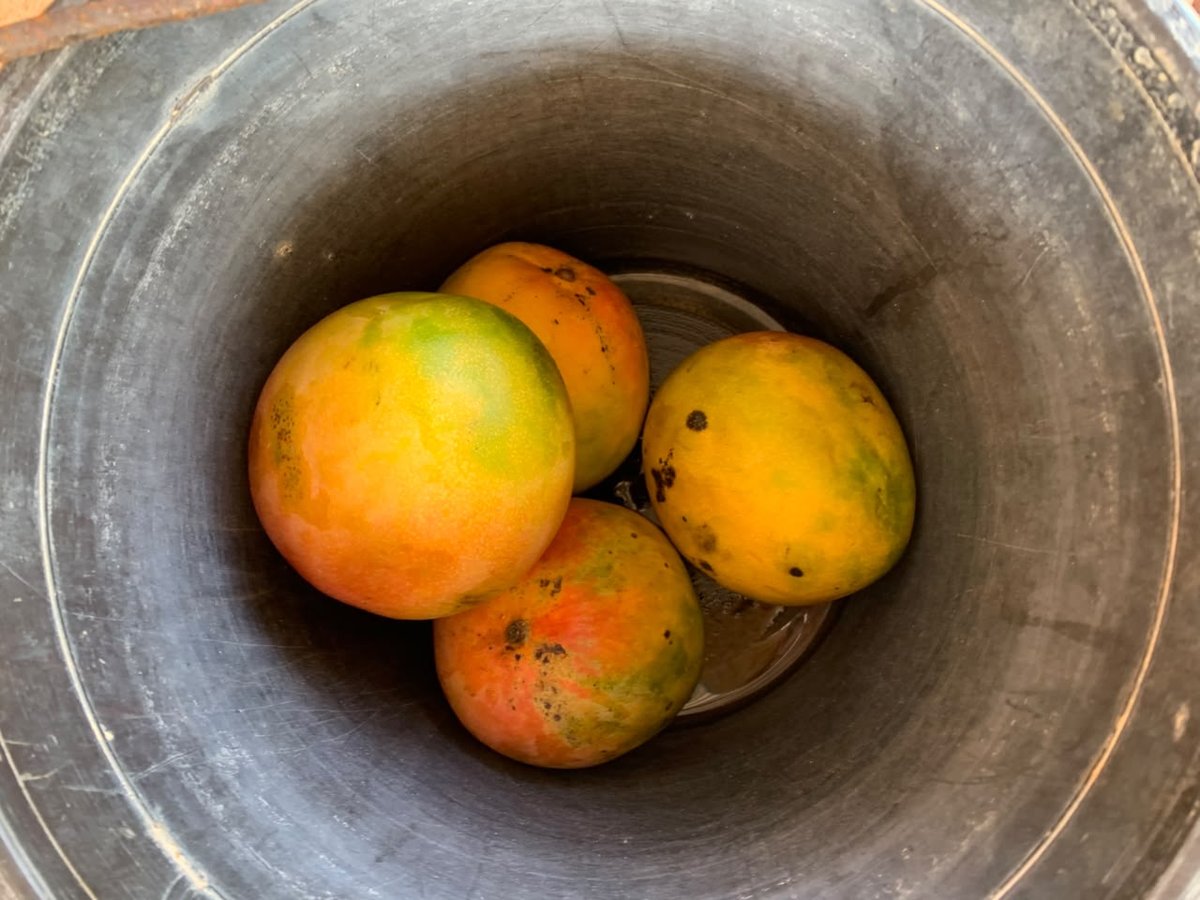
4. Mango
Cuban summer tastes of mango. There are many varieties, from small, very fragrant ones to large, fleshy fruit. They are eaten fresh, sliced, as juice or in a shake. When a good harvest arrives, they turn up in backyards, on carts and at stalls everywhere.
5. Guava (guayaba)
Its aroma gives it away before the first bite. It can be eaten fresh or drunk as juice, but it also stars in one of the country’s most beloved desserts: guava paste with cheese.
6. Guanábana (soursop)
Larger than the anón, it has green skin with small soft spines and a white pulp that is sweet with a tart edge. It is excellent for juices, shakes and champolas, though availability can be irregular.
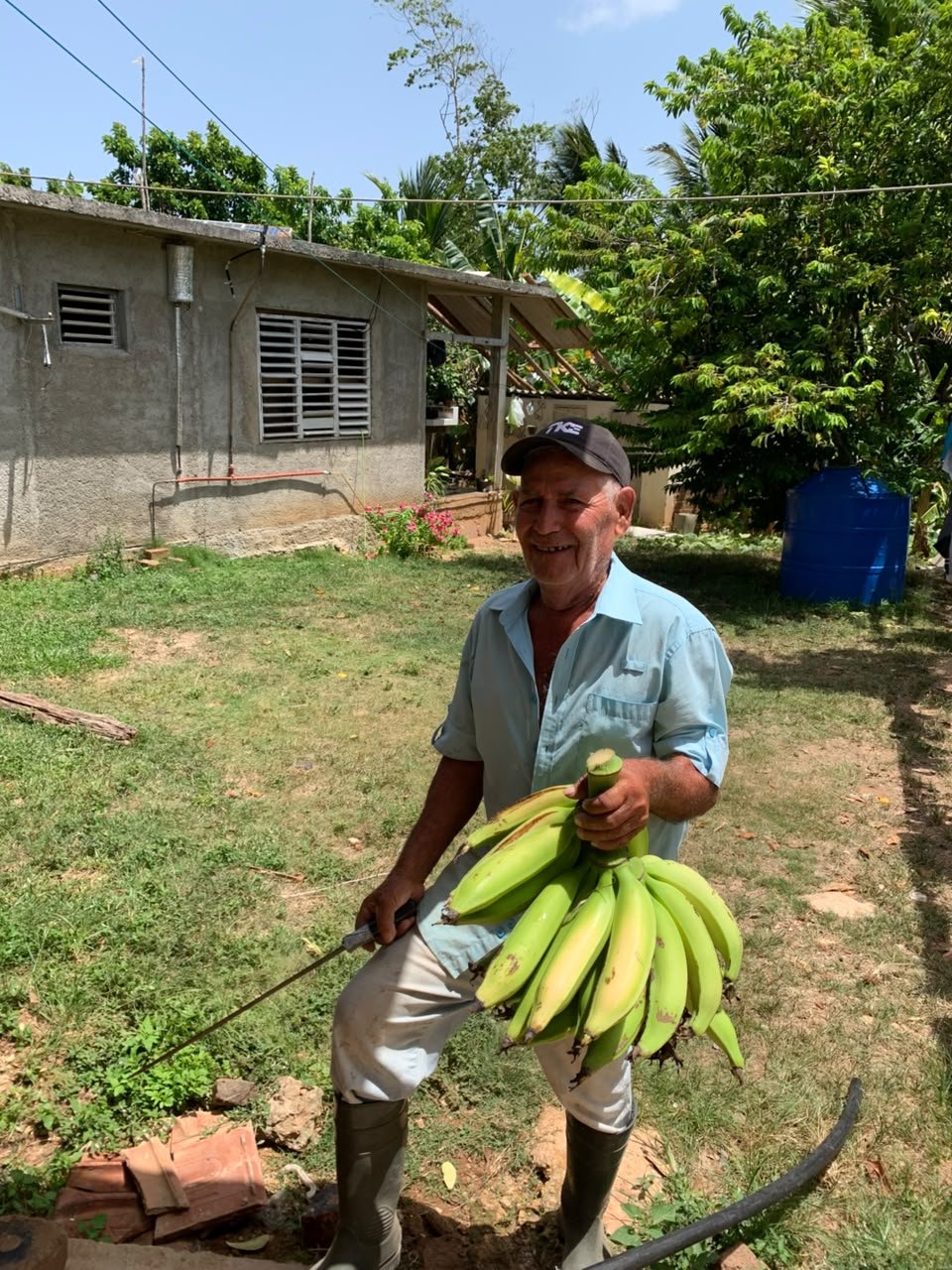
7. Plátano fruta (banana)
In Cuba it helps to tell apart the plátano fruta (the banana), eaten ripe and raw, from the plátano vianda (plantain), which is cooked. The latter is used for tostones or chatinos, fried sweet plantains and many other sides of Cuban home cooking.
8. Pineapple (piña)
Sweet, juicy and slightly tart, pineapple is enjoyed fresh or as juice. It also appears in cocktails and desserts. If you buy a whole one, ask whether it is ready to eat: the seller usually knows which one is at its best.
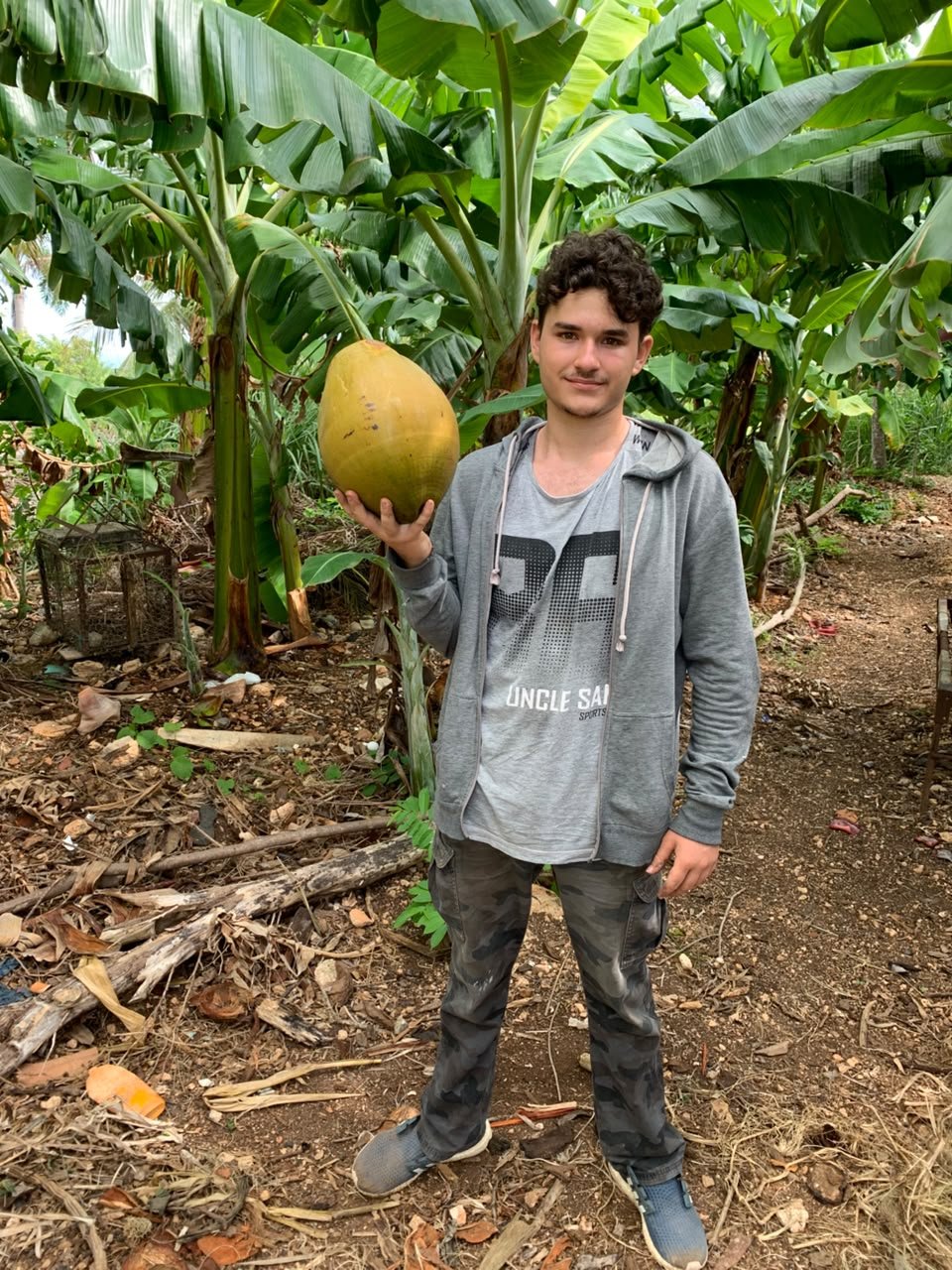
9. Coconut (coco)
In coastal and rural areas you can find fresh coconut to drink the water and then eat the flesh. More than a fruit to grab in a hurry, it is one of those small pleasures best enjoyed in the shade.
10. Lime, orange and grapefruit
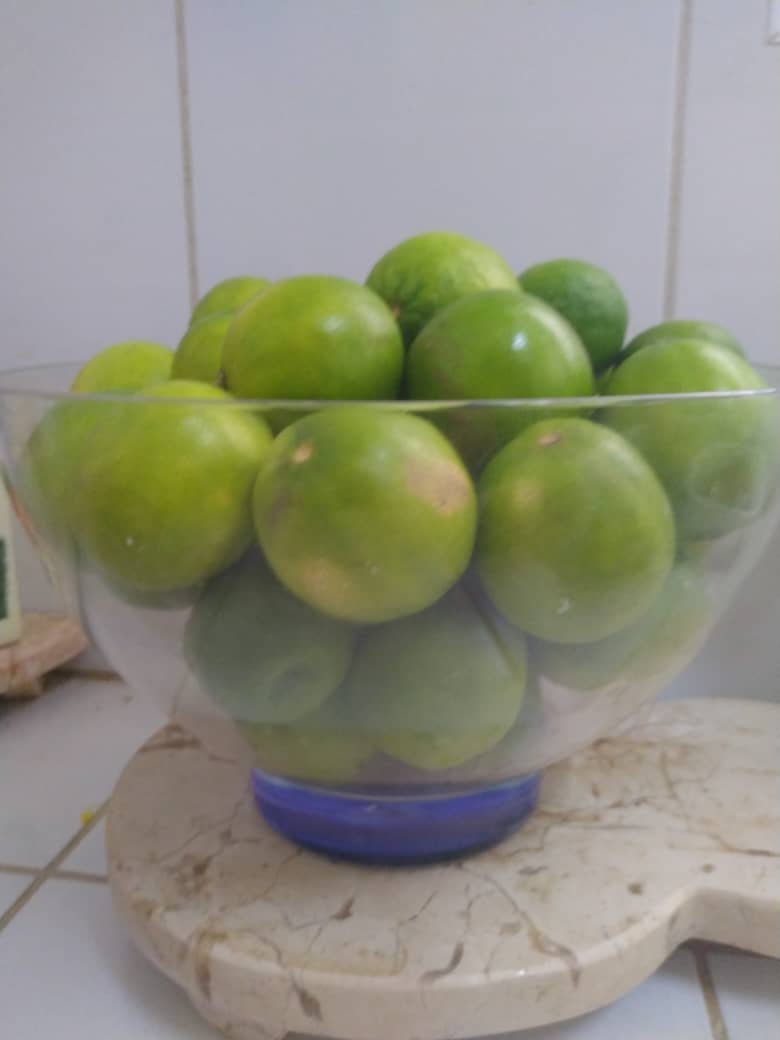
Citrus is part of juices, sweets and homemade recipes. The Cuban limón criollo (lime) is also essential in drinks like the mojito. Supply varies through the year, so you will not always find every variety at the same time.
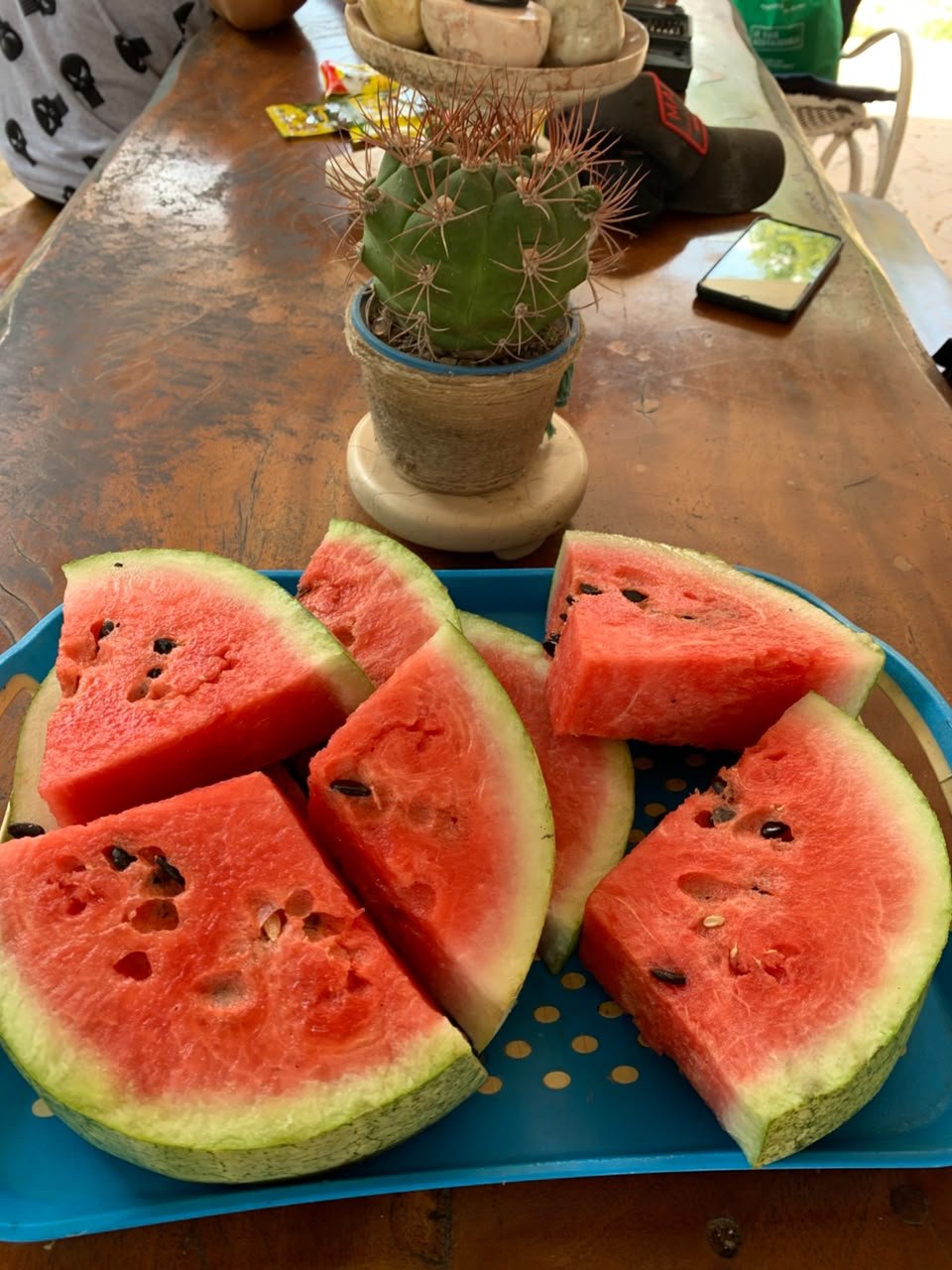
11. Watermelon (melón de agua)
That is what watermelon is often called in Cuba. Cold and cut into slices, it is perfect for a hot afternoon. You may also hear about the melón de Castilla, a name used for other kinds of melon.
12. Caimito, sapodilla, tamarind, cashew fruit and canistel
These are less common flavors on tourist routes and do not always show up in the markets. That is exactly why, if you come across one, you should ask how it is eaten and seize the chance. The cherimoya also exists in Cuba, though it tends to be far less common than the anón.
More than fruit: guarapo and champola
Sugarcane is not usually eaten like the fruits above, but it deserves a mention of its own. Its freshly pressed juice is called guarapo and is served ice-cold, sometimes with a few drops of lime.
You may also find champola, a thick drink usually made with guanábana or other fruit. Recipes change from one home to another: some use milk and others water.
Where to look for fruit in Cuba
- Farmers’ markets and neighborhood stalls: the selection depends on what arrived that day. Look at the posted prices and ask before buying; do not assume you are meant to haggle.
- Casas particulares: breakfast may include fresh fruit. Ask what it is and where it comes from; there is often a family story or a nearby grower behind it.
- Cafés and restaurants: check whether the juice or shake is made with fresh fruit and whether it has milk, sugar or ice.
- Farms and rural tours: a great chance to try freshly picked fruit and learn to tell when it is ripe.
If you would rather sit down for a shake, a juice or a guava dessert, browse the food & drink category on Havana Unique. The businesses in the directory are visited and verified by our local team. You can also ask about breakfast when booking one of the selected casas particulares and stays.
When to find them
In Cuba the season does not work like an exact calendar. Weather, harvest, transport and the province all shape what reaches each market. Mango is especially abundant in the warmer, rainier months, while banana, fruta bomba, pineapple and coconut can appear at different times of the year.
Rather than traveling with a fixed list, ask: “What fruit is in season?” or “Which one is good to eat today?” That conversation can lead you to something you did not even know existed.
Practical tips to enjoy it
- Choose whole pieces and, when possible, wash them with safe water and peel them yourself.
- Avoid cut fruit that has sat too long in the sun or without refrigeration.
- If you order a juice or a shake, ask what water it is made with and whether the ice is from safe water, especially if you have a sensitive stomach.
- Carry cash in Cuban pesos and confirm the price and currency before buying.
- Do not look only for familiar names: if you see anón, mamey or guanábana, ask whether they are ripe and how to eat them.
Eating fruit in Cuba is not about ticking off a list, but about tasting what the moment offers. Let the season guide you, chat with whoever is selling, and save room for a good mamey shake.
Planning your trip to Cuba?
On Havana Unique, explore food & drink, places to stay, transport and experiences selected by a local team. If you need a hand planning your route, you can ask for help with your trip.
Ready for your trip to Cuba?
Find hand-verified accommodation, transport, tours and dining from our local team.
Explore the directory Get help planning your trip